Q1: What varieties of potatoes do you export? What are the differences between different varieties?
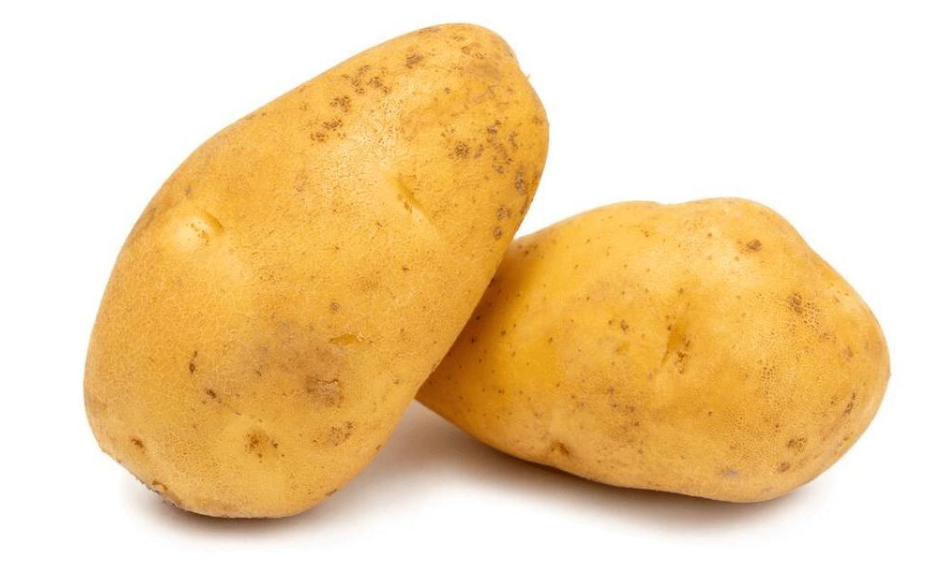
We mainly export two categories of potatoes: fresh-eating potatoes and processing potatoes. Fresh-eating potatoes have a waxy taste and moderate moisture, suitable for direct cooking, steaming, and fresh eating for families and catering; processing potatoes have stable starch content and tight flesh, suitable for making deep-processed products such as french fries, potato chips, potato starch and mashed potatoes. We can supply designated varieties according to customer needs and support mixed loading procurement.
Q2: Is the export qualification of the product complete? Can you provide relevant quality inspection and plant inspection certificates?
We have complete qualifications. We have formal agricultural product export filing qualifications and food operation qualifications, and can provide a full set of customs clearance documents including complete export commodity inspection certificate, phytosanitary certificate, pesticide residue test report, heavy metal test report, certificate of origin, etc. It fully complies with the import agricultural product quality inspection standards of most countries and regions such as the European Union, Southeast Asia, the Middle East, Africa and the Americas, and certificate samples can be provided for verification in advance.
Q3: What are the standard specifications and packaging methods for potatoes? Do you support customized packaging?
The conventional single fruit specifications are divided into three standard grades: 50-80g, 80-120g, and above 120g, which can be sorted according to needs. Conventional packaging uses export-specific woven bags, mesh bags, and carton packaging, with specifications of 5kg/bag, 10kg/bag, 20kg/bag, and 25kg/bag. We can also customize packaging size, print brand LOGO, and labels according to customer requirements, using special moisture-proof, anti-collision, and breathable packaging to ensure transportation quality.
Q4: What is the minimum order quantity (MOQ)? Do you support consolidation or small batch trial orders?
The conventional MOQ for full container sea export is 1 20FT small container (about 18-22 tons), and a 40FT container can hold 35-40 tons; for new customers' trial order needs, we support small-batch trial orders, the minimum MOQ can be negotiated and adjusted, and we can also coordinate for combined orders and mixed loading of other agricultural products, giving priority to ensuring new customers' sample orders and trial order needs to reduce cooperation trial and error costs.
Q5: What are the modes of cross-border transportation? Is the product resistant to transportation and has a high loss rate?
We mainly support sea transportation (mainstream cross-border export method, low cost, suitable for large quantities) and land transportation (suitable for neighboring countries and border ports), and can arrange logistics according to customers' designated ports and delivery addresses. Potatoes are professionally pre-treated and packaged, resistant to storage and long-distance transportation. Under normal temperature compliant storage and transportation conditions, the loss rate is controlled within 1%, far lower than the industry average, and transportation damage can be handled according to the agreed after-sales terms.
Q6: What are the storage conditions for the product? How long is the shelf life?
It is recommended to store in a cool, dry, ventilated, and dark environment. The optimal temperature is controlled at 2-8℃. Avoid direct sunlight and dampness, and do not mix with toxic, harmful, or odorous items. Under compliant storage conditions, the shelf life of fresh potatoes can reach 3-6 months. The specific duration is affected by the storage environment and pre-transportation pretreatment. We will perform effective preservation treatments in advance to extend the storage cycle.
Q7: How long is the production and logistics lead time after placing an order?
For conventional spot orders, the sorting, packaging, and commodity inspection processes will be completed within 3-7 days after payment confirmation, and warehousing and container loading will be arranged; for customized orders, the time limit is 7-15 days according to packaging and specification requirements; logistics time varies according to the destination port. Sea transportation to ports in Southeast Asia and the Middle East takes about 15-30 days, and ports in Europe, Africa, and the Americas take about 30-45 days. Accurate shipping schedule and time estimate can be provided in advance.
Q8: Does it support long-term stable supply? Can we sign an annual supply contract?
We support long-term stable batch supply. We have stable cooperative planting bases and a mature export supply chain, which can guarantee supply throughout the year without the risk of supply interruption. We warmly welcome the signing of annual long-term supply contracts, which can lock in prices, quality and supply cycles, enjoy preferential prices for batch cooperation, and meet the long-term procurement needs of supermarkets, food processing plants and catering chains.